Biohazard Carpet and Upholstery Cleaning in Seaview, WA
Affected carpet, rugs and upholstered furniture in your Seaview property are checked through each reachable layer, then cleaned, disinfected or removed. Call 24/7 to arrange an assessment before the area is disturbed.
- Unmarked vehicles
- Carpet, padding and upholstery
- Cleaning or contained removal
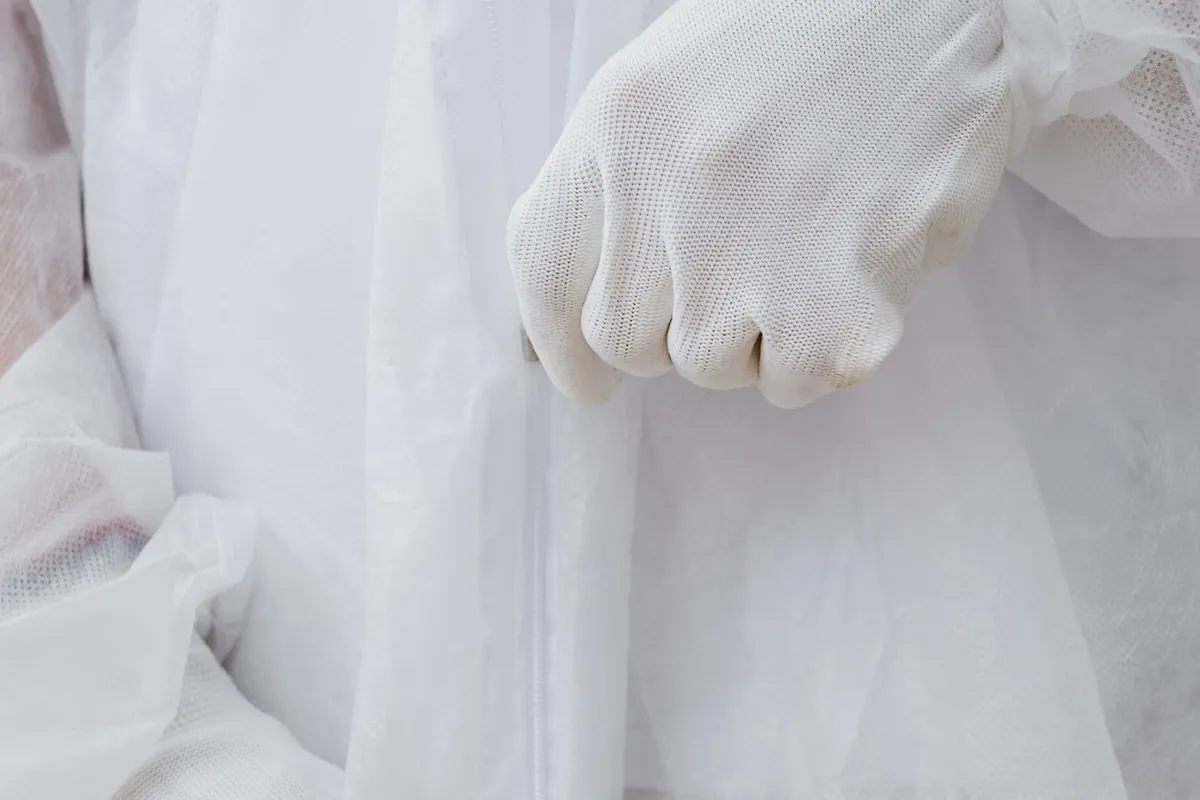
Biohazard Carpet and Upholstery Cleaning in Seaview
Your service addresses biological contamination in carpet, rugs, padding, upholstery and the surfaces beneath them. Each accessible layer is assessed, with cleaning and disinfection used where effective treatment is possible and contained removal used where it is not.
Biohazard cleaning follows blood, urine, feces, vomit and other bodily fluids beyond the visible mark. Carpet backing, pad, seams, tack strips and subfloor can all be affected. Upholstery fabric may also allow fluid into batting, cushion foam and the furniture frame. Your assessment identifies that depth before the scope and price are established.
The cleaning process begins with visible soil removal and treatment suited to the material. An EPA-registered disinfectant is used only when its label covers the intended organism, surface and application method, including the full wet contact time. Carpet pad, foam, unfinished wood or other absorbent materials are removed when contamination cannot be reached effectively. Waste is contained at the work area and taken out along a protected route.
- Affected areas and surrounding areas traced through carpet layers
- Rugs and upholstery assessed for effective treatment
- Affected pad, foam and subfloor identified
- Cleanup involves full contact time at every step
- Contaminated materials contained for disposal
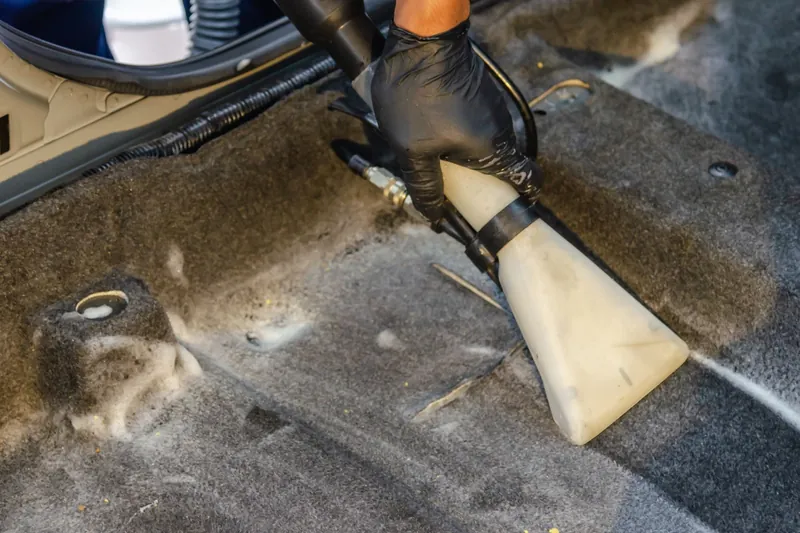
Signs You Need Biohazard Upholstery Cleaning in King County
A visible stain, affected cushion or odor can indicate contamination inside a soft surface. The job follows the material through accessible layers rather than treating appearance alone.
Bodily Fluid Carpet Cleaning
Urine, feces or vomit can affect fibers, padding, baseboards and nearby contents. Source removal comes before surface disinfection and any treatment for odor remaining in the room.
Biohazard Rug Cleaning and Floor Treatment
An area rug may hold contamination in its backing and on the floor beneath it. The rug and underlying finish receive separate assessments because each material can require a different cleaning method.
Contaminated Carpet in a Rental
A stain in a rental home or shared building may extend beyond one visible area. The work zone and removal route account for adjoining rooms, hallways and occupied parts of the property.
Blood Carpet Cleanup After an Injury
Blood from a fall, cut or medical event can pass through carpet into pad and floor seams. The assessment checks the visible area, nearby edges and the floor below before treatment begins.
Soft Surfaces After a Traumatic Event
A rug, chair or carpeted room can require careful cleaning after an injury or loss. Private access arrangements allow you and your loved ones to remain away from the affected area.
Blood Cleanup for Upholstered Furniture
Fabric can allow blood to reach batting, foam, seams and the furniture frame. Each accessible layer is checked to determine whether the piece can be treated or affected sections need removal.
How Biohazard Carpet Cleaning Works Across Greater Seattle
Your job moves from a layer-by-layer assessment to controlled cleaning or removal and a final check. The process follows the contamination, material construction and treatment limits found at your property.
Biohazard Carpet and Upholstery Assessment
Your call establishes the incident, visible area, soft surfaces involved and property access. Inspection then checks carpet backing, edges, pad, rugs, furniture seams and nearby hard surfaces to define the scope and price.
Biohazard Work Zone Controls
The affected room is separated from clean space, and a protected route is established for equipment and waste. Protective gear and any airflow controls are selected for the exposure and planned work.
Visible Soil and Material Removal
Accessible material and surface soil are removed with methods that limit splashing and disturbance. This cleaning stage takes place before disinfectant is applied to surfaces that will remain.
Carpet, Pad and Upholstery Inspection
Edges or controlled sections are opened where necessary to inspect backing, padding, tack strips and subfloor. Upholstery seams, batting, cushion foam and frames are checked to the accessible depth.
Contaminated Carpet Removal Decision
Materials suitable for effective treatment remain in the cleaning scope. Deeply affected pad, foam, unfinished wood or other absorbent layers are removed in contained sections when disinfection cannot reach the contamination.
Biohazard Soft Surface Decontamination
An EPA-registered disinfectant is selected only when its label fits the organism, surface and application method. Treated material stays wet for the full labeled contact time, with fiber and finish limits considered.
Odor Source and Hazardous Waste Removal
Remaining odor is traced after contaminated sources are addressed. Removed carpet, padding and upholstery materials are sealed, labeled and transported under the applicable waste rules along the protected route.
Final Biohazard Cleaning Check
The treated layers, nearby surfaces and removal route are inspected before closure. You receive an explanation of what was cleaned, what was removed and any flooring or furniture repair that follows remediation.
Why Choose Seattle Biohazard for Biohazard Carpet Cleaning
Clear Scope at Every Step
Carpet backing, padding, subfloor, upholstery foam and nearby surfaces are included where affected.
Cleaning Before Disinfection
Visible soil is removed before an EPA-registered product receives its full labeled contact time.
Discreet Property Access
Crews arrive in unmarked vehicles, with entry and work routes arranged around your privacy.
Care for Rugs and Furniture
Reachable unaffected keepsakes are separated, and removal decisions follow material condition and treatment limits.
Calls Answered 24/7
One number begins your assessment day or night across the metro.
Before Biohazard Carpet Cleaning in King County
Your call can begin with what you already know, without walking across the area or lifting carpet and cushions.
- Restricted Access. People and pets remain outside the affected room while the work zone and equipment route are established.
- Materials Left Undisturbed. Carpet, rugs and cushions stay in place until their hidden layers can be opened under controlled conditions.
- Emergency Response First. Urgent medical care and any required official scene release occur before property cleanup begins.
Biohazard Carpet Cleaning Cost in Seaview
Published sources do not separate carpet and upholstery from broader biohazard work. These national biohazard cleanup figures retain their original units and sources for context. Your price follows the affected area, material depth, cleaning limits and disposal needs found during assessment, with the property-specific scope explained before work starts.
What Changes Biohazard Carpet Cleaning Cost in Seaview
- Whether fluid reached padding, foam or subfloor
- Removal of hazardous materials and waste disposal needs
- The size and number of affected soft surfaces
- Cleaning or removal needs for each material
- Odor treatment, air quality and later restoration services
- The type and amount of biological contamination
Your Soft-Surface Assessment and Price
These published national ranges are planning figures. Your assessment establishes the work and price before cleanup begins, including any separate repair needs.
Call (888) 440-9227 about costBiohazard Carpet and Upholstery Cleaning Service Area Across Greater Seattle
Your assessment and cleanup can be arranged in Seaview and nearby communities through one number, 24/7.
Biohazard Carpet and Upholstery Cleaning in Locations Near Seaview
Biohazard Carpet and Upholstery Cleaning in Seaview: Frequently Asked Questions
What changes carpet cleanup cost in King County?
Your price depends on affected area, material depth, cleaning limits, waste volume and odor work. The cards show broader national biohazard cleanup ranges because carpet-specific published figures are unavailable. Inspection establishes which carpet, pad, furniture or subfloor can remain and which materials enter the removal scope before work begins.
Does biohazard carpet cleaning remove odor?
Odor work can be effective when the complete source is found and addressed. Bodily fluids left in padding, cushion foam, tack strips or subfloor can continue to affect the room after surface cleaning. Source removal comes first, followed by suitable treatment for the remaining materials and room air.
Do insurance companies cover biohazard upholstery cleaning in Washington?
Possible coverage depends on the cause of loss and the applicable policy terms, exclusions, limits and deductible. The insurance company makes the coverage decision. Photos, an affected-item list, the cleanup scope and disposal documentation can support evaluation, while cleaning and replacement furniture may receive separate decisions.
How is upholstered furniture cleaned after a biohazard?
Fabric, seams, batting, foam and the furniture frame are assessed for the path of the fluid. Accessible material may receive cleaning and a product labeled for that surface. Deep contamination inside foam or framing can require removal of affected sections or the piece when complete treatment is not possible.
How long does biohazard carpet cleaning take in Seaview?
Timing follows the number of affected surfaces and how deeply contamination traveled. Reachable fibers involve different work from opening carpet, removing pad or assessing upholstery foam. Waste volume and odor treatment also affect the schedule. Your assessment establishes the sequence, while replacement flooring or furniture repair follows separately.
Can biohazard carpet be cleaned?
Carpet may remain when contamination is limited, accessible and compatible with the cleaning and disinfection required. Fluid in backing, pad, tack strips or unfinished subfloor can make removal necessary because surface treatment cannot reach those layers. Your assessment checks the material depth before the work scope is set.
Do carpet and padding always need removal?
No. The decision depends on the contaminant, amount, depth, time and condition of each material. Reachable carpet fibers may be treatable even when affected padding requires removal. Material that hides contamination or cannot tolerate effective cleaning and full-contact-time disinfection is taken out as part of the agreed scope.
Can blood be removed from carpet and padding?
Blood on reachable carpet fibers may be treatable, while blood absorbed into padding is harder to reach effectively. The job includes inspection of backing, pad, edges and the floor below. Affected padding or other porous material is removed when extraction and surface disinfection cannot address the complete contaminated area.
Biohazard Upholstery Cleaning and Insurance in Washington
Coverage depends on the event that caused the contamination, the policy terms, exclusions, limits and deductible. Cleanup photos, the affected-item list, invoices and disposal documentation can support claim evaluation. The insurance company determines coverage, and cleaning may receive a different decision from replacement flooring or furniture.
Biohazard Carpet Cleaning Health Risks in Washington
Soft surfaces can retain contamination beneath clean-looking fibers. Restricted access, protective equipment and controlled material removal reduce contact with affected layers during the job.
Hidden Contamination Below Carpet
Fluid can move through backing into pad, tack strips, floor seams and unfinished subfloor beyond the visible stain.
Private Property Access
You can arrange entry while remaining away from a room connected to an injury, loss or other difficult event.
Bloodborne Pathogens in Carpet
CDC says hepatitis B can survive on surfaces for at least seven days, so dried blood still requires careful treatment.
Soft-Surface Biohazard Waste
Carpet, pad and upholstery that cannot be disinfected are contained and moved without dragging loose material through clean rooms.
Cleanup scope: Contamination inside installed carpet, padding or upholstery foam calls for assessment beyond the surface. The scope follows the material depth and the area affected.
Contaminated Carpet Removal in King County
A soft surface remains only when contamination is accessible and the material can tolerate the required cleaning and disinfection. Affected hidden layers are removed when effective treatment is not possible.
Materials Assessed for Cleaning
- Accessible carpet fibers, isolated rugs, removable covers and sealed flooring are evaluated for treatment.
Contaminated Materials Assessed for Removal
- Affected padding, upholstery foam, batting, tack strips and penetrated subfloor sections may require removal.
Your Personal Property
- Reachable unaffected keepsake rugs, furniture and washable textiles are separated for your decisions.
Biohazard Carpet Cleaning Schedule in King County
Your schedule depends on the number of soft surfaces, contamination depth, removal area and any odor work. Flooring or furniture restoration can continue after remediation ends.
- Accessible Surface Work: Limited contamination on a reachable material needs fewer opening and removal stages.
- Affected Hidden Layers: Pad, foam, tack strip or subfloor involvement adds controlled access and removal work.
- Remediation Process Completion: Final checks and necessary repairs determine when the affected space returns to use.
Biohazard Carpet Odor Removal in Seaview
Odor treatment begins with affected carpet pad, tack strips, upholstery foam and subfloor. Fragrance and surface shampoo do not replace removal of a contaminated source.
HEPA air filtration captures particles during appropriate stages of the work. Remaining odor treatment is selected for your room and the materials that stay after cleaning and removal.
Biohazard Carpet Cleaning Requirements Across Greater Seattle
Cleanup Technicians and Worker Exposure Controls
OSHA Bloodborne Pathogens Standard 29 CFR 1910.1030 addresses occupational exposure controls, protective equipment and work practices.
EPA-Registered Disinfectants
Product selection and application follow the intended organism, surface type and full contact time on the EPA-registered disinfectant label.
Biohazard Waste Disposal
Washington's biomedical waste law covers human blood and blood products. The Utilities and Transportation Commission oversees companies that haul it, and local health departments set handling rules, so it should not go in household trash.
Law Enforcement or Medical Examiner or Coroner Release
Local health and building rules can affect how a contaminated room is cleaned and when it can be used again, so mention any notice you have received from the city or county.
Related Cleanup Services in King County
Start Your Biohazard Carpet and Upholstery Cleaning in Seaview
Calls are answered 24/7. Your assessment establishes the affected materials, access arrangements and cleanup scope before work begins.